
There's nothing quite like the excitement of a child spotting a dog – whether it's on the street, at a friend's house, or welcoming a new furry family member home. But that excitement needs to be balanced with education about safe interactions.
The bond between children and dogs can be incredibly rewarding—but it requires guidance, supervision, and an understanding of how both parties communicate. Teaching children how to interact safely with dogs isn't just about preventing bites; it's about building mutual respect and setting the foundation for a lifelong love of animals.
Common Mistakes That Put Kids at Risk
Many well-meaning families unintentionally create situations that put children at risk. Here are some of the most common mistakes:
- Assuming "my dog would never bite" – Any dog can bite under the right circumstances. Pain, fear, resource guarding, or overstimulation can trigger defensive behaviour in even the gentlest dog.
- Leaving children and dogs unsupervised – Most bites happen when an adult isn't present. Even a few seconds can be enough for an interaction to go wrong.
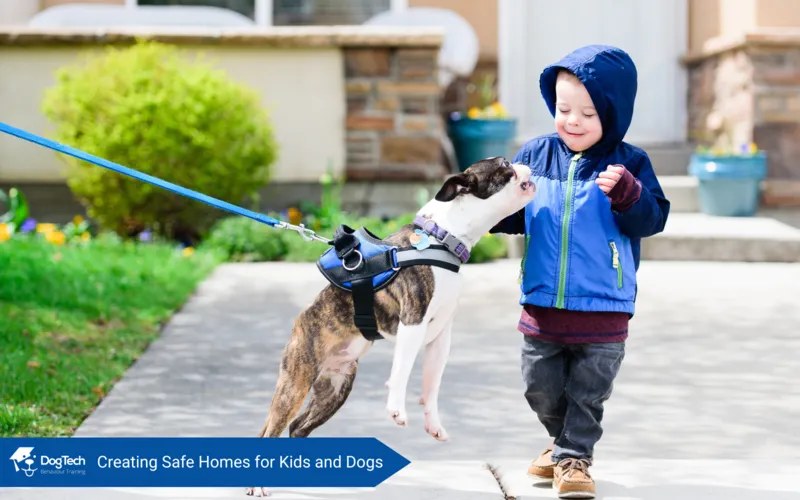
- Not teaching children to read dog body language – Kids often miss the subtle signs that a dog is uncomfortable—and by the time they notice, it may be too late.
- Allowing children to approach dogs without permission – Not every dog wants to be patted, and not every owner wants strangers approaching their dog.
Teaching Kids to Interact Safely with Dogs
Here are some key rules to teach your children—whether they're interacting with your own dog or meeting dogs in the community:
- Always ask permission – Before patting any dog, ask the owner first. If there's no owner present, don't approach.
- Let the dog come to you – Don't chase, corner, or reach over a dog's head. Let them sniff your hand first and approach on their own terms.
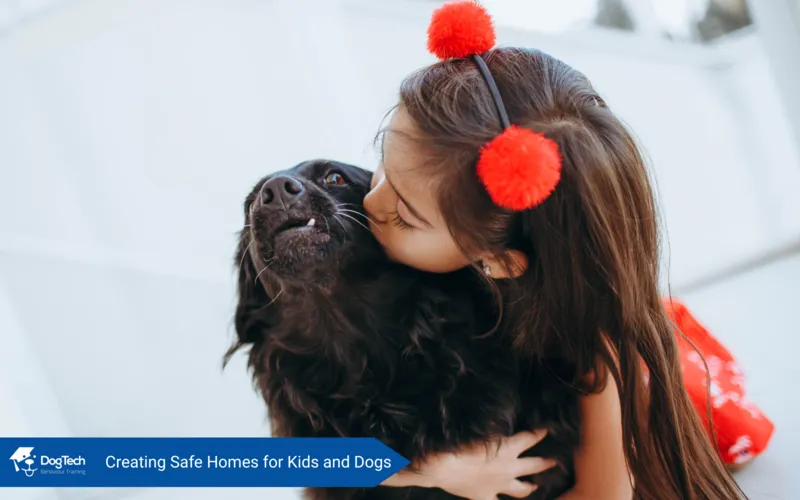
- Avoid the face – Pat the chest or side, not the top of the head. Many dogs find head pats threatening.
- Leave dogs alone when they're eating, sleeping, or chewing – These are high-value moments when dogs are more likely to guard resources.
- Recognise "go away" signals – Turning away, yawning, lip licking, whale eye, or walking away are all signs a dog wants space.
Creating a Safe Environment at Home
If you have both children and dogs in your home, here's how to set everyone up for success:
- Give your dog a safe retreat – A crate, bed, or room where they can go when they need a break from the action
- Supervise all interactions – Especially with young children who are still learning boundaries
- Teach by example – Show your children how to interact calmly and respectfully with the dog
- Address behavioural concerns early – If your dog is showing signs of stress or reactivity around children, seek professional guidance
Want to create a safer home for your kids and dog?
Book a Behaviour Assessment with DogTech® today. We'll help you understand your dog's behaviour and teach your family how to interact safely and respectfully.