
Dogs are incredibly expressive animals but often, their early signals of stress or discomfort go unnoticed until their behaviour escalates. When dogs are unsure, insecure or anxious, they communicate through body language long before they resort to growling or snapping.
Understanding these signs isn't just about preventing bites—it's about building a deeper, more respectful relationship with your dog. When we recognise what they're telling us, we can respond in ways that help them feel safe and supported.
Understanding the Root of Behaviour
Aggression in dogs rarely comes out of nowhere. It's almost always a response to something—whether that's fear, frustration, pain, or a perceived threat to resources. Some common underlying causes include:
- Resource guarding – Protecting food, toys, resting spots, or even people
- Fear-based reactivity – Responding defensively to unfamiliar people, dogs, or situations
- Impulse control issues – Difficulty managing excitement or frustration
- Pain or discomfort – Dogs in pain may snap when touched or approached
- Lack of socialisation – Limited early exposure to the world can create anxiety
- Unclear boundaries – Inconsistent rules can lead to confusion and stress
By identifying the cause, we can address the behaviour at its source—not just manage the symptoms.
Early Signs to Watch For
Dogs communicate constantly. These subtle signals often appear well before more obvious signs of aggression:
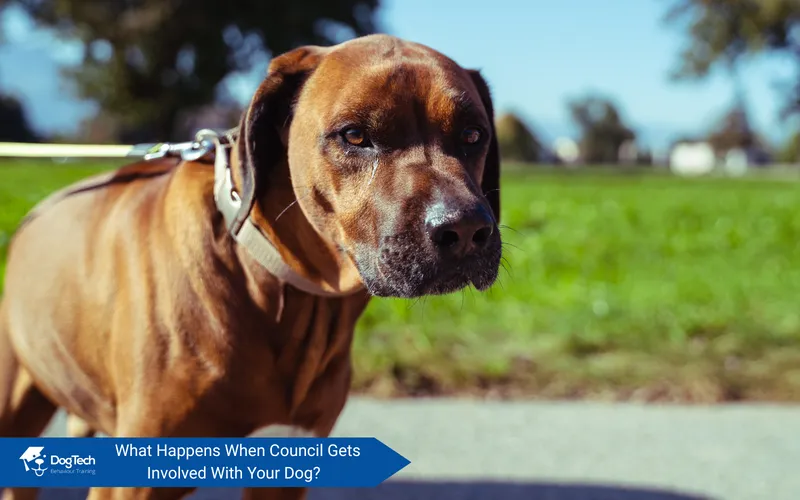
- Whale eye – When you can see the whites of their eyes, often when looking away from something
- Lip licking or yawning – When not related to food or tiredness
- Freezing – A sudden stillness, especially when approached or touched
- Turning away – Avoiding eye contact or physically moving away
- Tucked tail or low body posture – Signs of discomfort or submission
- Raised hackles – Hair standing up along the back (can indicate arousal or fear)
- Ears pinned back or forward – Depending on context, can signal fear or alertness
- Growling or showing teeth – These are later-stage warnings—don't ignore them
If your dog is showing these signs regularly, they're telling you something. Punishing these signals can actually make things worse by suppressing the warning signs without addressing the underlying emotion.
What You Can Do
If you're noticing signs of insecurity or aggression in your dog, here's how to respond:
- Don't ignore it – Early intervention is always easier than addressing entrenched behaviour
- Manage the environment – Reduce exposure to triggers while you work on the behaviour
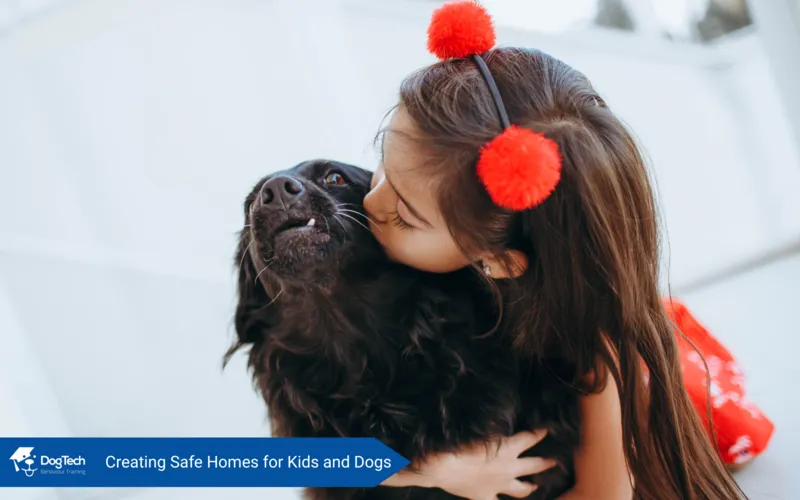
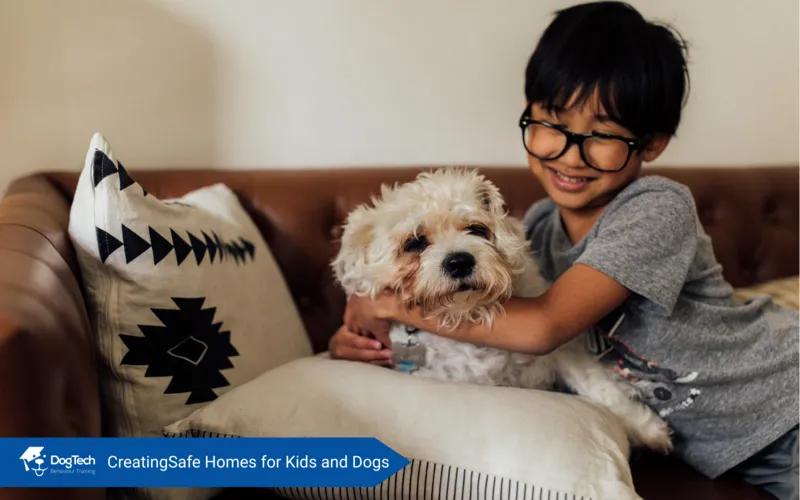
- Teach children and visitors – Help others understand how to interact safely with your dog
- Seek professional support – A qualified behaviourist can help you understand what's driving the behaviour and create a tailored plan
At DogTech, we use the WhisperWise® methodology to help dogs build confidence and owners build understanding. We don't use force or fear—we focus on calm leadership, clear communication, and mutual trust.
Worried about your dog's behaviour?
Don't wait until it escalates. Book a Behaviour Assessment with DogTech® today and get the guidance you need to move forward with confidence.