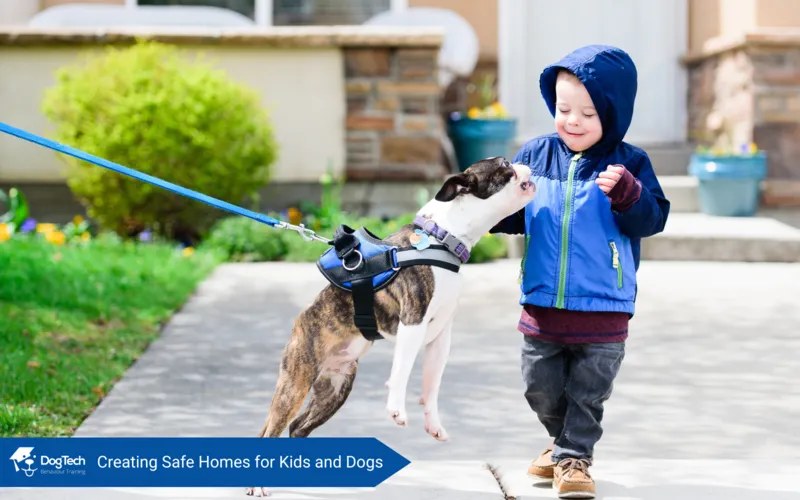

Children and dogs can be the best of friends – but building that bond takes time, supervision and plenty of gentle guidance. Sometimes, young children may act aggressively toward dogs without understanding the consequences. Hitting, pulling, chasing, or cornering a dog can lead to fear, anxiety, and potentially defensive behaviour from the dog.
As a parent, it can be confronting to see your child behave this way—but it's important to understand that young children are still learning about empathy, boundaries, and cause-and-effect. With the right approach, you can guide them toward respectful interactions that benefit both child and dog.
Why It Happens
Children don't act aggressively toward dogs out of malice. Often, they're simply exploring the world and testing boundaries. Common reasons include:
- Curiosity – Young children are naturally curious and may not understand that pulling ears or tails hurts
- Imitation – They may be copying behaviour they've seen elsewhere
- Attention-seeking – Even negative attention can be reinforcing
- Lack of understanding – They may not recognise that dogs have feelings or can be hurt
- Frustration or overstimulation – Sometimes rough behaviour comes from a child's own emotional state
Understanding the "why" helps you respond appropriately—without shaming the child or creating fear around the dog.
Early Warning Signs to Watch For
Before intervening, it helps to know what behaviours to look out for:
- Chasing the dog when they walk away
- Pulling on ears, tail, or fur
- Hitting, kicking, or throwing things at the dog
- Cornering the dog or blocking their escape
- Screaming or making sudden loud noises near the dog
- Taking toys or food from the dog
If your child is doing any of these, it's time to step in—calmly but clearly.
What You Can Do
Here are practical steps to guide your child toward respectful interactions:
- Supervise all interactions – Never leave young children alone with dogs, even dogs you trust. Supervision allows you to intervene before things escalate.
- Teach respectful play – Show your child how to pat gently, offer treats with a flat hand, and give the dog space when they walk away.
- Set the dog up for success – Ensure your dog has a safe retreat space (like a crate or bed) where they can go when they need a break.
- Model the behaviour you want to see – Children learn by watching. Show them how you interact with the dog calmly and respectfully.
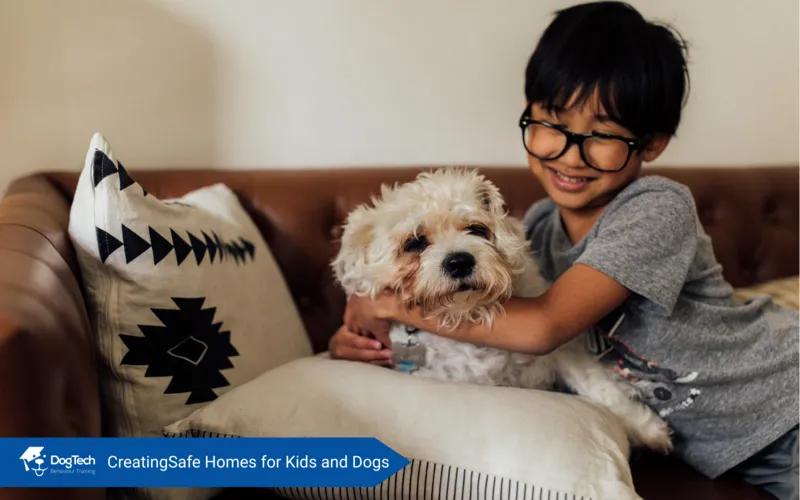
- Build positive associations – Help your child and dog bond through calm, structured activities—like supervised treat-giving or gentle grooming.
Every Dog and Child is Different
Some dogs are more tolerant than others, and some children need more guidance. There's no one-size-fits-all approach, but the principles remain the same: supervision, education, and mutual respect.
If your dog is showing signs of stress or fear around your child—or if your child's behaviour is escalating despite your efforts—it may be time to seek professional support.
At DogTech, we work with families to create safe, harmonious homes where children and dogs can thrive together. Our WhisperWise® methodology helps dogs feel calm and secure, while our guidance helps families understand how to interact safely and respectfully.
Need help creating a safe environment for your child and dog?
Book a Behaviour Assessment with DogTech® today and get the support you need to build a positive, lasting bond.