
Medical or behavioural issues may not be immediately obvious when you adopt a rescue dog, but its important to be aware of the possibilities so you can deal with them effectively, and build a happy, healthy relationship.
It’s quite common for rescue dogs to have been neglected or abused in some way by their previous owners. Malnutrition and neglect can cause both physical and psychological problems. Skin diseases and bad body odour on your new pet are quite common. It’s important to have your rescue dog thoroughly checked out by your vet, who can also recommend an appropriate diet, and arrange for neutering if it hasn’t been done.
Behaviour issues in rescue dogs
In addition to the effects of neglect or abuse, your rescue dog may also be highly stressed from having been moved between many homes. All of this can lead to problems, but generally they can be addressed with professional help.
The telltale behaviours to watch for include:
- Barking incessantly to get attention, particularly if restricted to the outdoors.
- Being overprotective of their food.
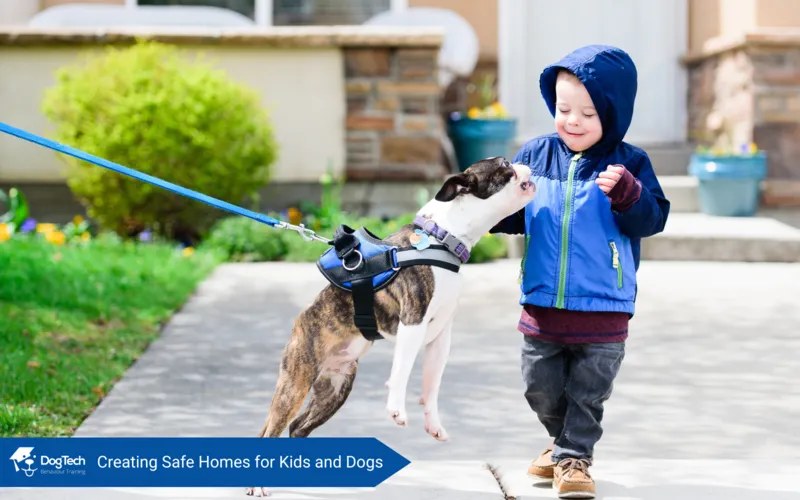
- They may snap at children who are rough with them or interfere with their food or possessions.
- Fearfulness and aggression can result from a lack of socialising with people or other animals, or long-term confinement to its previous premises.
- Accidently toileting indoors.
- Becoming frightened and running away.
Behavioural Training
With professional behaviour training you can create a harmonious home around your rescue dog. Our DogTech® trainers begin with a deep understanding of your dog’s psychology, always working to humanely build the dog’s sense of safety and confidence within the family structure. (Remember, you’re all part of a pack and your dog wants to belong.)
It can take a lot of patient effort to correct some of these behaviours, but the rewarding relationship you can create with your dog is very much worth it.
DogTech® In-Home Training introduces your rescue dog to its new family in its new environment, and will help to establish agreed behavioural expectations for your dog so everyone in the household can be consistent. Clear, consistent reinforcement provides reassuring structure and a sense of security for your dog – and gives everyone more confidence.
All dogs, but especially rescue dogs, need to learn through positive reinforcement. We reward good behaviours and ignore the ones we want to discourage. What you must not do is add to your pet’s stress by getting angry or raising your voice. Not only is it unkind to a vulnerable animal – it’s also counterproductive. It will make the training ineffective.
We’ll also help you train your rescue dog to enjoy walking on a lead. Regular walks are important to correcting behavioural and emotional problems – and they can do you a lot of good, too!
The DogTech® professional training service is available in Adelaide, Sydney and Goulburn Valley, and you can find your nearest trainer by clicking here.